I dealt with tonsil stones for almost two years before figuring out how to remove them without gagging violently every single time. The first few attempts were disasters – prodding around the back of my throat with a cotton swab while trying not to throw up. Not exactly a pleasant Tuesday evening activity.
The gag reflex exists for good reason – it protects your airway from foreign objects. Unfortunately, it also makes treating tonsil stones absolutely miserable. You’re trying to reach the back of your throat where these things hide, which is precisely where your gag reflex is most sensitive.
What finally worked for me was learning which removal methods triggered gagging least. Some techniques are gentler on your throat than others. Trial and error taught me more than any article I’d read, but I could’ve saved myself weeks of frustration if someone had just explained this upfront.
Understanding Why Gagging Happens
Your gag reflex triggers when the soft palate at the back of your throat gets touched. It’s an automatic response you can’t completely control, though you can train it to be less sensitive over time.
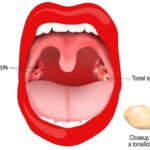
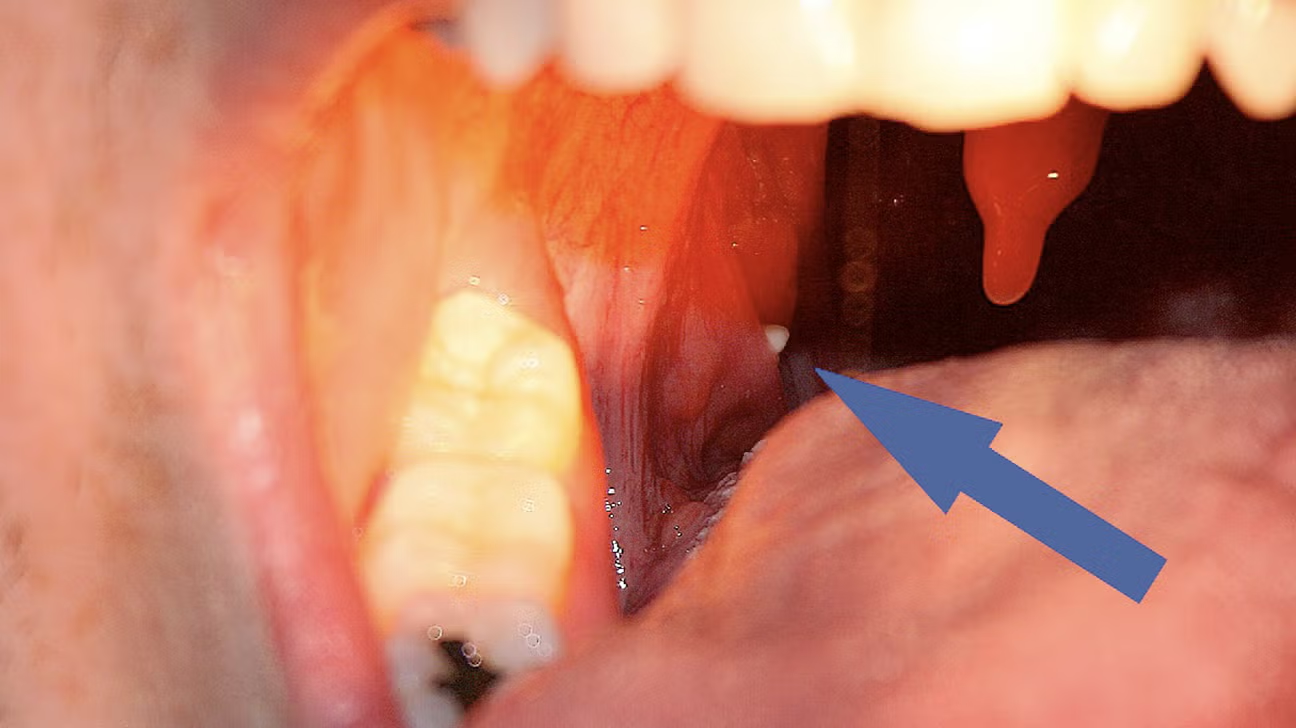
Tonsil stones form in the crypts and crevices of your tonsils, which are unfortunately located right in the gag zone. Reaching them means working in the exact area your body wants to protect.
Different people have different sensitivity levels. My wife barely has a gag reflex – she can remove tonsil stones easily with her finger. Meanwhile, I’m gagging from a toothbrush touching too far back. Genetics and anatomy play huge roles.
The stones themselves don’t cause gagging. It’s the tools and techniques you use to remove them that trigger the response. Choose the wrong method and you’ll be miserable. Find what works for your specific sensitivity and it becomes manageable.
Water Flossers Changed Everything
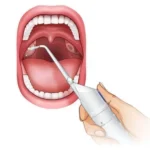
Water flossers were game-changers for me. Instead of physically touching my throat, I’m shooting a stream of water at the stones to dislodge them. No direct contact means minimal gagging.
I use the lowest pressure setting and aim carefully at visible stones. The water pressure usually pops them right out. Takes maybe 30 seconds versus the five-minute gagging sessions I used to endure with cotton swabs.
The technique requires practice. Aiming accurately while keeping your mouth open and not choking on water has a learning curve. I practiced in the shower initially where the mess didn’t matter.
Some stones are too deep or too firmly lodged for water alone. Those I leave alone now instead of trying heroic removal attempts that leave me gagging and miserable. They eventually work loose on their own anyway.
Temperature matters – room temperature water is way easier to tolerate than cold. Cold water hitting the back of your throat can trigger gagging even without touching anything.
Gargling Techniques That Actually Work
Salt water gargles help dislodge smaller stones without any physical contact. Mix a teaspoon of salt in warm water and gargle vigorously for 30 seconds. The mechanical action and salt help loosen stones.
The key is gargling deep in your throat, not just swishing in your mouth. Tilt your head back and really work the water around your tonsils. Sounds gross, feels weird, but it works.
I gargle after every meal now. Doesn’t always remove stones completely, but it keeps them from getting huge and noticeable. Prevention beats removal every time.
Apple cider vinegar gargles work similarly but taste absolutely terrible. Some people swear by them. I tried once and gagged from the taste alone, which defeated the entire purpose.
Cotton Swab Modifications
If you must use cotton swabs – and sometimes you must for stubborn stones – wet them first. Dry cotton drags against your throat tissue and triggers gagging way worse than wet swabs.
Press gently around the tonsil instead of directly on the stone. This pushes the stone out from behind rather than trying to scrape it off. Less contact with sensitive areas means less gagging.
Use a mirror and good lighting so you can see exactly what you’re doing. Blind poking around triggers more gagging because you’re touching way more than necessary trying to locate the stone.
Some people numb their throat with throat spray before attempting removal. I tried this exactly once – the numbing spray itself made me gag, which seemed counterproductive.
When researching tonsil stones treatments, remember that what triggers gagging varies person to person. Methods that work for others might be intolerable for you.
Training Your Gag Reflex
Your gag reflex can be desensitized over time through gradual exposure. Dentists and dental hygienists do this professionally because their work requires it.
Start by brushing slightly farther back on your tongue each day. Don’t force it – just incrementally push your comfort zone. After a few weeks, your tolerance improves noticeably.
I brush my tongue thoroughly every morning now, going as far back as comfortable. My gag reflex is still there but way less sensitive than it used to be.
Deep breathing through your nose while working in your mouth helps tremendously. Holding your breath or breathing through your mouth both make gagging worse.
Some people squeeze their left thumb in their fist while removing stones – supposedly this reduces gag reflex. Sounds like nonsense but I tried it and honestly, it seemed to help slightly. Maybe placebo effect, maybe pressure point magic. Don’t care, it worked.
Tools Specifically Designed For This
Tonsil stone removal tools exist specifically for this purpose. They’re angled picks that let you approach stones from better angles than straight cotton swabs allow.
The curved design lets you reach stones while touching less sensitive tissue. Better access with less contact is exactly what you need when fighting your gag reflex.
I bought a set for $12 on Amazon and they work significantly better than improvised solutions. Purpose-built tools usually do.
LED light tools help you see what you’re doing without shining flashlights awkwardly while trying to hold a mirror. Better visibility means less random poking and less gagging.
When To Just Leave Them Alone
Sometimes the smartest move is doing nothing. Small stones that aren’t causing pain or bad breath probably aren’t worth the gagging torture of removal.
Most tonsil stones eventually dislodge on their own from coughing, eating, or just normal throat movement. Patience beats suffering through gag-inducing removal attempts.
I used to obsessively remove every tiny stone I could see. Now I only address ones causing actual symptoms. My quality of life improved dramatically from this mindset shift.
Wrapping This Up
Dealing with tonsil stones when you have a sensitive gag reflex requires finding methods that minimize throat contact. Water flossers, gargling, and modified swab techniques all work better than aggressive scraping.
Experiment with different approaches to find what your specific anatomy tolerates. What works for your friend might be unbearable for you, and that’s completely normal.
Desensitizing your gag reflex takes time but pays dividends long-term. Daily tongue brushing gradually improves tolerance over weeks and months.
Know when to leave stones alone instead of forcing removal. Not every stone requires immediate action, and sometimes patience beats persistence.