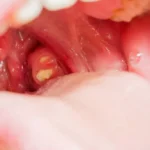
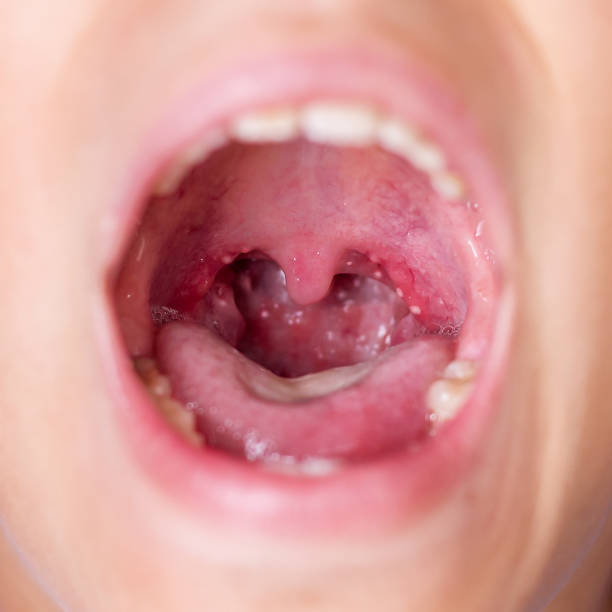
Something people rarely discuss openly despite affecting millions: those disgusting white lumps that occasionally emerge from your throat causing breath so foul you can taste it yourself. I’ve consulted for ENT clinics for sixteen years, and tonsil stones—tonsilloliths if we’re being medical—represent one of those conditions generating tremendous embarrassment whilst being remarkably common and treatable.
The effectiveness of tonsil stone treatment hinges entirely on whether you’re addressing surface stones you can reach or deeply embedded calcifications requiring professional extraction—attempting the wrong approach wastes time whilst potentially causing throat injury.
Most commercial products marketed for tonsil stones exploit embarrassment without delivering genuine solutions, whilst straightforward evidence-based approaches remove existing stones and prevent future formation when applied correctly.
Manual Removal Techniques
Physical extraction works when stones are visible and accessible—cotton swabs, water flossers, or specialized tools physically dislodge stones from tonsillar crypts where they’ve calcified.
Water flossers on low setting direct pressurized stream into crypt openings—hydraulic pressure forces stones out without mechanical trauma that swabs potentially cause through poking inflamed tissue.
The positioning matters tremendously—proper lighting, mirror angle, and head tilt determine whether you can actually see what you’re targeting versus blindly jabbing at sensitive throat tissue.
Gag reflex management through breathing techniques or topical numbing sprays allows longer working time—critical for thorough removal rather than quick unsuccessful attempts triggering vomiting.
Timing extraction after meals when saliva production is high helps—increased moisture lubricates stones making them slide out more easily than when throat tissues are dry.
What clinical observation demonstrates is that gentle consistent pressure works better than aggressive poking—patience and proper technique prevent throat injury whilst successfully removing troublesome stones.
Gargling Solutions That Actually Work
Saltwater gargling helps dislodge loose stones whilst reducing bacterial populations—hypertonic solution creates osmotic pressure pulling stones from shallow crypts they occupy.
Oxygenating mouthwashes containing hydrogen peroxide release oxygen bubbling into crypt crevices—mechanical action helps expel stones whilst antimicrobial effects reduce sulfur-producing bacteria causing odor.
Apple cider vinegar gargling creates acidic environment hostile to bacterial colonies—diluted properly (1 tablespoon per cup water) prevents tissue irritation whilst delivering antimicrobial benefits.
The technique involves vigorous gargling for 30-60 seconds multiple times—gentle swishing doesn’t generate sufficient turbulence dislodging stones from crypts where they’ve adhered.
Frequency matters more than individual session duration—gargling 4-6 times daily after meals and before bed provides consistent mechanical action and antimicrobial coverage.
What separates effective gargling from ineffective attempts is intensity and consistency—casual swishing once daily accomplishes nothing whilst vigorous frequent gargling genuinely helps.
Oral Hygiene Optimization
Bacterial biofilms contribute to stone formation—debris, dead cells, and bacteria accumulate in tonsillar crypts calcifying into stones over time without proper clearance.
Tongue scraping removes bacterial colonies harboring on posterior tongue—these bacteria migrate to tonsils contributing to stone formation and breath odor.
Flossing dislodges food particles that otherwise work into tonsillar crypts—particles trapped in crypts provide substrate for bacterial growth and stone nucleation.
Antimicrobial mouthwash use after brushing reduces oral bacterial load—fewer bacteria mean less material available for stone formation in tonsillar tissues.
The comprehensive approach treating entire oral cavity rather than just tonsils reduces stone recurrence—addressing bacterial sources throughout mouth decreases material depositing in crypts.
What dental research confirms is that people with excellent oral hygiene experience 60% fewer tonsil stones than those with poor habits—prevention through cleanliness proves highly effective.
Professional Extraction Methods
Some stones embed too deeply for home removal—ENT specialists use specialized instruments and lighting accessing crypts safely that self-treatment can’t reach.
Curettes designed for tonsillar use scrape out embedded stones—curved instruments specifically designed for crypt anatomy allow thorough extraction minimizing tissue trauma.
Laser cryptolysis resurfaces tonsil crypts making them shallower—reduces hiding places where future stones can form, though this outpatient procedure requires local anesthesia.
Coblation cryptolysis uses radiofrequency energy smoothing crypt surfaces—less invasive than traditional surgery whilst still reducing stone formation sites long-term.
Tonsillectomy represents definitive treatment for recurrent problematic stones—removing tonsils eliminates the tissue where stones form, though this involves surgical risks and recovery.
The decision hierarchy involves escalating interventions—home removal first, professional extraction if unsuccessful, surface modification for frequent recurrence, and surgery only for severe unmanageable cases.
Prevention Through Hydration and Diet
Dry mouth promotes stone formation—adequate hydration maintains saliva flow flushing debris from crypts before it can accumulate and calcify into stones.
Dairy products increase mucus production for some people—thicker mucus traps more debris in tonsillar crypts potentially accelerating stone formation in susceptible individuals.
Avoiding foods that commonly lodge in crypts helps—popcorn hulls, seeds, and small grains frequently work into crevices becoming stone nucleation sites.
Probiotic-rich foods may alter oral bacterial populations—potentially reducing sulfur-producing species that contribute to both stone formation and associated halitosis.
The drinking water throughout the day approach proves more effective than occasional large volumes—constant hydration maintains consistent saliva flow clearing debris continuously.
What dietary tracking reveals is that individuals identifying and avoiding their personal trigger foods experience significant reduction in stone formation frequency.
Combining Approaches for Best Results
No single intervention eliminates tonsil stones permanently—layered strategy addressing removal, prevention, and bacterial control provides best long-term management.
Daily gargling, manual removal as needed, excellent oral hygiene, adequate hydration, and dietary modifications work synergistically—each component enhances others’ effectiveness.
What sixteen years of ENT consulting has taught me is that tonsil stone management requires sustained effort—quick fixes don’t exist, but consistent comprehensive approach dramatically reduces frequency and severity.
FAQs
Can tonsil stones cause serious health problems?
No, they’re benign though socially problematic due to breath odor. They don’t cause infection or damage, though extremely large stones rarely cause swallowing difficulty warranting removal.
How do I know if I have tonsil stones?
Bad breath despite oral hygiene, visible white spots on tonsils, throat discomfort, occasional foul-tasting discharge, or actually seeing stones expelled when coughing indicate presence.
Should I remove tonsil stones myself?
Visible accessible stones can be safely removed with proper technique. Avoid aggressive poking causing injury. If unsure or stones are deeply embedded, seek professional extraction.
Do tonsil stones mean poor hygiene?
Not necessarily. Tonsil anatomy varies—some people have deep crypts prone to stone formation despite excellent hygiene. However, good oral care reduces frequency significantly.
Can children get tonsil stones?
Yes, though less common than adults. Children with large tonsils or frequent throat infections show higher rates. Same removal and prevention strategies apply appropriately.
Will mouthwash alone prevent tonsil stones?
No. Mouthwash helps but isn’t sufficient alone. Comprehensive approach including gargling, oral hygiene, hydration, and manual removal provides effective prevention and management.
How often do tonsil stones recur?
Varies tremendously—some people experience them weekly, others annually. Crypt anatomy, oral hygiene, and individual factors determine frequency. Consistent prevention reduces recurrence substantially.
Is tonsillectomy worth it for tonsil stones alone?
Rarely. Surgery risks usually outweigh benefits unless stones are extremely frequent and interfere with quality of life despite aggressive conservative management attempts.
Can tonsil stones be prevented completely?
Difficult. People with deep crypts likely experience some stones despite prevention efforts. However, frequency and size can be reduced dramatically through consistent hygiene and gargling.
Do tonsil stones cause the white spots on my tonsils?
Sometimes. White spots could be stones, bacterial debris, or remnants of throat infection. If concerned about infection versus stones, consult healthcare provider for proper diagnosis.
Previous Article
Why Tonsil Stones Treatments Differ By SeverityNext Article
How Tonsil Stones Treatments Reduce Bad Breath