My son came home from school last year complaining about this awful taste in his mouth that wouldn’t go away. Brushing didn’t help. Mouthwash didn’t help. Then he coughed up this tiny white thing that smelled absolutely horrible.
Welcome to tonsil stones – something I’d never heard of until we were dealing with them. Turns out they’re incredibly common in teenagers, though most kids are too embarrassed to talk about them. The combination of bad breath and the gross factor makes it a topic nobody wants to discuss.
What made it harder was figuring out what actually worked. Every website had different advice. His pediatrician seemed unconcerned. Friends had never heard of them. We ended up trying multiple approaches before finding what actually helped.
Here’s what we learned about treating tonsil stones in teenagers after months of trial and error.
Why Teenagers Get These Things
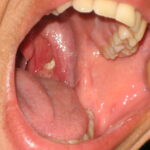
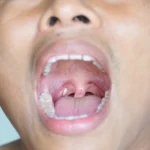
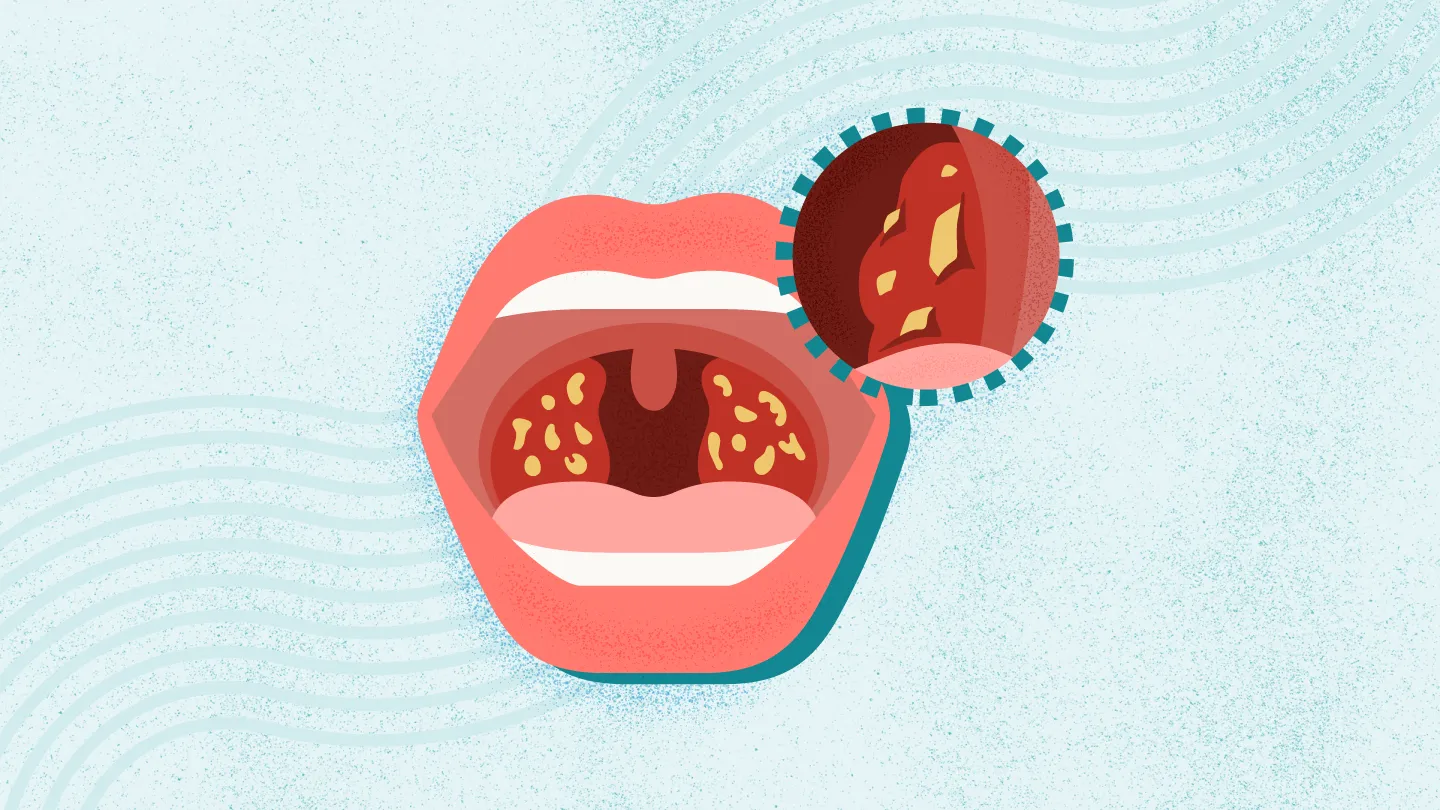
Teenagers deal with tonsil stones more than other age groups for specific reasons. Their tonsils have deep crevices called crypts that trap food particles, dead cells, and bacteria. These materials calcify into the small white or yellow stones.
My son’s tonsils are naturally large with pronounced crypts – his doctor said some people just have more pronounced crevices that collect debris more easily. Nothing he did wrong, just anatomy.
Teenagers also tend to have inconsistent oral hygiene despite our constant reminders. Missing brushing sessions or rushing through them allows more bacteria to accumulate. That bacteria contributes to stone formation.
Dairy consumption plays a role too. My son drinks milk constantly and eats cheese with everything. Dairy creates mucus and leaves residue that settles in tonsil crypts. We noticed more stones during weeks when he consumed extra dairy products.
Post-nasal drip from allergies makes things worse. The mucus drains down the throat and gets trapped in tonsil crypts. Spring and fall were definitely worse for stone formation when his allergies flared up.
Salt Water Gargling Actually Works
The first thing that helped was simple salt water gargles. Dissolve half a teaspoon of salt in warm water and gargle vigorously for 30 seconds, twice daily. Sounds too simple to work, but it genuinely helps.
The salt water loosens debris trapped in tonsil crypts and creates an environment where bacteria struggle to thrive. It also reduces inflammation that makes the crypts more prominent and easier to trap material.
My son resisted at first because it tastes unpleasant and feels weird. But after a week of consistent gargling, he coughed up several small stones and the bad breath improved noticeably. That success motivated him to keep going.
Timing matters – gargling after meals removes food particles before they settle into crypts. Morning and night gargles became part of his routine, and stone frequency dropped significantly.
Water Flossers Changed Everything
We bought a water flosser originally for braces cleaning, but it became our most effective tool against tonsil stones. The pressurized water stream dislodges stones and flushes out debris from tonsil crypts.
My son uses it on the lowest pressure setting aimed at his tonsils. Too much pressure triggers his gag reflex and feels uncomfortable. Low pressure works fine for removing stones without causing problems.
He does this over the sink because stones and debris come flying out – genuinely gross but incredibly satisfying. He’ll often remove 2-3 small stones during a single session that were causing discomfort.
The water flosser also reaches areas toothbrushes and gargling can’t touch. Those deep crypts need direct irrigation to clear completely. Regular use prevents stones from forming in the first place.
We started with daily water flossing and now he does it 3-4 times weekly for maintenance. When he skips for several days, stones come back. Consistency is key.
Cotton Swab Removal For Visible Stones
Sometimes stones are visible and close enough to the surface to remove manually. My son uses a cotton swab dipped in salt water to gently press around the stone until it pops out.
This requires good lighting and a steady hand. We use a bright flashlight and he does it in front of a mirror. The gag reflex is the biggest challenge – he’s learned to breathe through his nose and relax his throat.
Never use hard objects like toothpicks or bobby pins. Tonsil tissue is delicate and bleeds easily. Cotton swabs are soft enough to avoid damage while firm enough to apply gentle pressure.
Not all stones are accessible this way. Deeper ones need professional removal or they work their way out naturally with gargling and water flossing. Trying to force removal of deep stones risks injury.
Improved Oral Hygiene Routine
We upgraded his entire oral care routine. Brushing twice daily for a full two minutes, flossing every night, and using an antibacterial mouthwash. Seems basic, but teenagers rarely do all three consistently.
The mouthwash targets bacteria that contribute to stone formation. We chose alcohol-free versions because alcohol-based mouthwash dried out his mouth, and dry mouth actually makes things worse.
Tongue scraping became part of the routine too. Bacteria on the tongue contributes to overall oral bacteria levels. Removing it reduces what’s available to form stones.
He keeps breath mints and sugar-free gum at school. Chewing gum increases saliva production, which naturally rinses the throat and prevents dry mouth between brushing sessions.
Dietary Adjustments That Helped
We didn’t eliminate dairy completely, but cutting back made a difference. He switched from drinking milk with every meal to once daily. Cheese consumption dropped from constant snacking to occasional inclusion with meals.
Staying hydrated helps tremendously. Water rinses the throat throughout the day and keeps things moist. My son now carries a water bottle everywhere and drinks consistently instead of waiting until he’s thirsty.
Crunchy vegetables like carrots and celery act as natural cleaners. They scrub the mouth while eating and stimulate saliva production. We pack these as snacks instead of chips or crackers.
Avoiding foods that stick in teeth also helps – things like popcorn kernels, chips, and sticky candies. These foods lodge in tonsil crypts more easily than smoother foods.
When Professional Help Made Sense
Some stones were too deep or large for home removal. We visited an ENT specialist who removed several impacted stones using specialized tools. The procedure took maybe five minutes and provided immediate relief.
The doctor also evaluated whether his tonsils needed removal. In his case, they recommended against it since the stones were manageable with home care. Tonsillectomy is serious surgery with significant recovery, reserved for severe cases.
For teenagers dealing with chronic tonsil stones, getting professional evaluation makes sense. The specialist can assess tonsil structure, identify underlying issues like chronic inflammation, and discuss treatment options beyond home remedies.
Medical resources like Cleveland Clinic’s guide to tonsil stones provide reliable information about when home treatment is sufficient versus when professional intervention is necessary.
Wrapping This Up
Tonsil stones in teenagers are embarrassing and uncomfortable but usually manageable with consistent home care. Salt water gargles, water flossers, and improved oral hygiene prevent most stones from forming.
The key is making it routine rather than only addressing stones when they appear. Daily prevention is easier than constantly dealing with new stones and the bad breath they cause.
Most teenagers outgrow severe tonsil stone problems as their immune systems mature and tonsil tissue naturally shrinks with age. Until then, these treatments keep things manageable without resorting to surgery.
Be patient with the process. It took us two months to find the routine that worked for my son. What matters is finding sustainable habits he’ll actually maintain long-term.